


Fall Planting Guide What to Plant Now with Ruibal’s Texas Growers
At A Glance
Best planting window: Cooler temperatures and warm soil give new plants time to establish strong roots.
For instant color: Pansies, violas, snapdragons, dianthus, stock, ornamental kale, and other cool-season plants can refresh beds and containers.
For the edible garden: Fall is ideal for cool-season vegetables and herbs such as lettuce, spinach, kale, broccoli, carrots, radishes, cilantro, parsley, and rosemary.
Think beyond fall: Planting perennials, shrubs, trees, and spring bulbs now can give your garden stronger structure and color in the seasons ahead.
Texas fall can fool even experienced gardeners. One week still feels like August, then a cool front rolls in and suddenly every porch, patio, bed, and container looks ready for color again.
That is why local plant knowledge matters so much. In the Ruibal’s conversation with Lacey Pruett and owner Mark Ruibal, the biggest takeaway is simple: the best fall plants for Texas are the ones grown with Texas conditions in mind from the start. Ruibal’s has become a trusted “go-to” for North Texas gardeners because their plants are grown here, acclimated here, and raised to handle the kind of heat, swings, soil, and seasonal surprises Texas throws at them.
Lacey’s nickname for Ruibal’s young plants, “Little Plant Childs,” says it perfectly. Before those plants ever make it into a garden bed or front porch pot, they spend time growing into sturdy, healthy starts in their own small pots. That growing system gives each plant room to build roots, strength, and structure before it goes home with a gardener.
Fall is not just a second spring in Texas. It is one of the best planting windows of the year, especially if the goal is color now, roots through winter, and a stronger garden next spring.
Why fall planting works so well in Texas
Summer planting in Texas asks a lot from a plant. The soil is hot, the sun is intense, and new roots have to fight through stress right away. Fall gives plants a better deal.
The days are still warm enough for growth, but the worst heat is easing. Nights cool down. Rain becomes a little more likely in many parts of the state. Soil stays warm long after the air feels crisp, which helps roots keep growing even when top growth slows.
That root growth is the real reason fall planting pays off.
When a flower, shrub, tree, or perennial has weeks or months to settle in before spring, it starts the next growing season ahead. It has a better root system, better access to moisture, and a stronger chance of handling the next Texas summer.
That is also where Ruibal’s approach stands out. Plants grown locally are not babied in a climate that looks nothing like the place where they will be planted. They are raised in the same general conditions they need to survive later.
Texas-grown plants do not guarantee perfection, but they do give the garden a smarter starting point.
A plant that has already felt Texas sun, wind, and temperature swings is less likely to be shocked when it leaves the nursery. That matters for fall color, winter structure, and spring performance.
Start with cool-season color for beds and containers
Fall is the season when Texas gardeners can finally enjoy flowers without fighting the peak summer heat every day. The trick is choosing plants that like cool weather rather than trying to stretch tired summer annuals too far.
For instant color, start with cool-season annuals. These are the plants that make porches, entry beds, borders, and patio containers feel fresh again.
Good choices include:
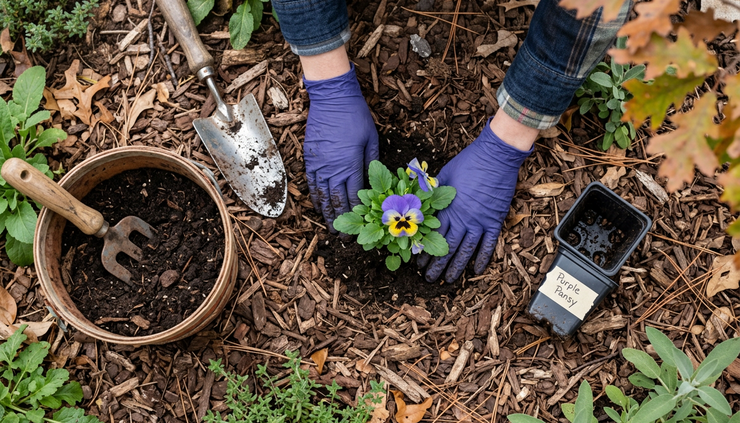
Pansies
Reliable, cheerful, and one of the classic Texas fall and winter flowers. They work well in beds, bowls, and mixed containers.
Violas
Smaller than pansies, but often heavy bloomers. They are great for mass planting and can handle cool weather beautifully.
Snapdragons
Tall, upright blooms make them useful in the back of containers or as vertical interest in flower beds.
Dianthus
A strong cool-season performer with tidy foliage and bright blooms. It works well along walkways and borders.
Alyssum
A low-growing plant with small blooms that soften container edges and fill gaps in beds.
Stock
Known for fragrant blooms and a cottage-garden look. It is a great choice near seating areas, entries, or patios.
Ornamental cabbage and kale
These bring texture and cool-weather color even when bloom-heavy plants slow down.
Dusty miller
Silvery foliage pairs well with pansies, violas, and snapdragons. It adds contrast without needing to be the star.
Cyclamen
Best in protected spots, especially containers near entries or patios. It brings rich color and handsome leaves, but it does not want harsh exposure.
The timing matters. If fall still feels like summer, do not rush the most cool-loving plants into full sun and hot soil. Mums, marigolds, and hardy seasonal accents can help bridge the gap. Once the nights cool, pansies, violas, snapdragons, and other winter annuals become much happier.
This is one reason a local garden center is so helpful. Ruibal’s team can read the season in real time. They know when plants are ready, when to wait, and which varieties are holding up best that week.
Plant vegetables and herbs that love the cool-down
Fall is also a strong season for edible gardening in Texas. Many leafy greens and root crops prefer cooler weather. They often taste better when they mature outside of extreme heat.
If summer vegetables are fading, fall gives the garden a clean reset.
Cool-season vegetables to plant include:
Lettuce
Spinach
Kale
Swiss chard
Collards
Mustard greens
Broccoli
Cauliflower
Cabbage
Brussels sprouts
Carrots
Beets
Radishes
Turnips
Green onions
Leafy greens are especially rewarding because many can be harvested gradually. Instead of pulling the entire plant, harvest outer leaves and let the center keep growing.
Root crops need loose soil. If the bed is compacted, mix in compost before planting. Carrots, radishes, and beets do best when roots can expand without hitting hard clumps.
Fall herbs are just as useful. Some herbs that struggle in brutal summer heat perk up when the weather cools.
Try:
Cilantro
One of the best fall herbs for Texas because it bolts quickly in heat.
Parsley
Great for containers and kitchen gardens.
Dill
Useful for cooking and attractive in the garden.
Chives
Easy to tuck into a sunny container or raised bed.
Mint
Best kept in a pot because it spreads aggressively.
Rosemary
A sturdy herb for sunny spots with good drainage.
Vegetables and herbs do not need a huge space. A raised bed, a few containers, or a sunny strip near the kitchen can do the job. The main needs are sunlight, consistent moisture, and healthy soil.
To make fall edibles easier, plant in stages. Add a few starts now, then sow quick crops like radishes or lettuce again a couple of weeks later. That keeps everything from maturing at once.
Use fall to plant perennials, shrubs, and trees
Fall color gets most of the attention, but the best long-term planting happens with more permanent plants.
Trees, shrubs, and perennials often settle in beautifully during fall because they can focus on root growth before the stress of summer returns. This is where the difference between a quick seasonal display and a stronger landscape really shows up.
Strong Texas choices include:
Plant type | Good fall options | Why they work |
Perennials | Autumn sage, salvia, blackfoot daisy, coneflower, gaura | They can root in fall and return stronger in spring. |
Shrubs | Yaupon holly, abelia, Texas sage, dwarf wax myrtle | They add structure and can handle Texas conditions when planted well. |
Ornamental grasses | Gulf muhly, little bluestem, Mexican feather grass where appropriate | They bring movement, texture, and seasonal interest. |
Trees | Live oak, cedar elm, red oak, Mexican plum, desert willow | Fall planting gives roots time to establish before heat. |
Herbs with structure | Rosemary, thyme, oregano | These work in edible beds and ornamental borders. |
The key is not just what to plant, but how to plant it.
Do not plant too deep. The top of the root ball should sit level with, or slightly above, the surrounding soil. Planting too deep can suffocate roots and cause long-term problems.
Loosen the surrounding soil, then backfill with the soil that came out of the hole. Compost can help improve poor soil, but avoid creating a soft pocket that roots never want to leave. Water deeply after planting to settle soil around roots.
Mulch is a major help in Texas. A couple of inches of mulch helps protect roots, hold moisture, and reduce weeds. Keep mulch pulled back from trunks and stems so it does not trap moisture against the plant.
This is another place where Ruibal’s earns its reputation. Mark Ruibal and the Ruibal’s team know that Texas landscapes need plants that can grow beyond the pretty first week. Their locally grown inventory helps gardeners choose plants with a real chance of becoming part of the landscape, not just a short-term purchase.

Think in layers when planning fall containers
A good fall container is more than a pot full of flowers. The best ones use layers, texture, height, and trailing plants to create a full look.
Start with a thriller, something upright or bold. Snapdragons, ornamental kale, grasses, or a small evergreen can fill this role.
Add fillers around the middle. Pansies, violas, dianthus, stock, and cyclamen all work, depending on sun exposure and temperature.
Finish with spillers near the edge. Alyssum, trailing herbs, or cool-season foliage can soften the rim and make the arrangement feel finished.
A simple fall container recipe could look like this:
One upright snapdragon or ornamental kale in the center
Three to five pansies or violas around it
Dianthus tucked into open spaces
Alyssum along the edge
A small accent like dusty miller for contrast
Containers dry out faster than garden beds, even in cool weather. Check them often after planting. Fresh transplants need consistent moisture while they root.
Drainage matters too. A beautiful pot without a drainage hole can quickly become a problem after rain. If water cannot escape, roots can rot.
This is where those “Little Plant Childs” from the Ruibal’s growing system make sense. A plant started in its own small pot has a formed root system before it joins a mixed container. It arrives with enough structure to handle transplanting, but it is still young enough to settle in and grow into the finished design.
That balance is exactly what gardeners want in fall. Not overgrown. Not weak. Ready.
Do not forget bulbs for spring payoff
Fall is also bulb season. These are not the plants that deliver instant impact today, but they can make spring feel effortless.
Good bulb options for Texas gardens include:
Daffodils
Grape hyacinths
Dutch iris
Leucojum
Ranunculus in many areas
Anemones in many areas
Tulips can be grown in parts of Texas, but they usually need pre-chilling before planting. They also tend to act more like annuals here than long-term repeat performers. For gardeners who want dependable return, daffodils and other better-adapted bulbs are often the easier choice.
Bulbs like well-drained soil. If an area stays soggy after rain, choose another spot or improve drainage before planting. Most spring-blooming bulbs also need enough sun during their active growing period, before trees fully leaf out.
Plant bulbs in groups for a stronger show. A single bulb here and there can get lost. Clusters look more natural and make the color easier to see from a sidewalk, window, or patio.
Match the plant to the exact spot
Even the healthiest Texas-grown plant needs the right home. Before planting, take a slow look at the space.
Ask a few simple questions:
How many hours of sun does the spot get?
Is that sun in the morning or afternoon?
Does water drain quickly after rain?
Is the bed exposed to wind?
Will the plant have enough room at mature size?
Is the area easy to water while plants establish?
Afternoon sun in Texas is much stronger than morning sun. A plant labeled for sun may still struggle in a west-facing bed with reflected heat from stone, brick, or concrete. By contrast, a plant that wants part shade may do beautifully with morning sun and afternoon protection.
Soil also varies a lot across Texas. Some gardens have clay. Some have rocky soil. Some have sandy soil. Compost can improve many beds, but the plant choice still needs to match the site.
That is why buying from a knowledgeable local source matters. Ruibal’s is not just selling a cart full of plants. They are helping match the right plant to the right Texas conditions. That practical advice can save time, money, and frustration.
Keep watering steady as weather changes
Fall weather can make gardeners forget about watering. Cooler air feels gentler, but new plants still need moisture as they establish.
After planting, water deeply. Then keep the soil evenly moist, not soggy. Shallow daily sprinkles are less helpful than deeper watering that reaches the root zone.
Containers need extra attention. Wind and sun can dry them quickly, even when the weather feels mild. Check the soil with a finger before watering. If the top inch feels dry, it may be time to water.
As winter approaches, watch the forecast. Watering before a hard freeze can help plants go into cold weather less stressed, especially if conditions have been dry. Avoid leaving containers waterlogged before a freeze, though.
A few more fall care habits make a big difference:
Remove tired summer annuals instead of planting around weak roots.
Add fresh compost where soil needs a boost.
Mulch after planting to protect roots.
Deadhead cool-season flowers to keep blooms coming.
Feed annual color as needed, based on the plant and product directions.
Protect tender container plants during sudden cold snaps.
Texas fall is generous, but it still rewards attention.
Why Ruibal’s is a trusted stop for Texas fall planting
Mark Ruibal’s value is not just in knowing plant names. It is in knowing how those plants behave here.
That local experience matters. A plant can look perfect on a bench and still be wrong for a Texas yard. Ruibal’s narrows the gap by growing and selecting plants for the climate their customers actually live in.
Their small-pot growing system, the one Lacey playfully frames as rows of “Little Plant Childs,” is part of that story. Each young plant gets its own start. It can form roots, size up, and become ready for transplanting in a way that supports stronger performance once it leaves the nursery.
That is the kind of detail most shoppers never see, but they feel it later when plants establish faster, hold up better, and look healthier through the season.
For fall, that means Ruibal’s can help with the full range of planting:
Fast porch and patio color
Winter annual beds
Fall vegetable starts
Herbs for cool-season cooking
Perennials that return
Shrubs and trees for long-term structure
Bulbs for spring blooms
Soil, mulch, and planting advice
The best fall gardens usually do not come from guessing. They come from choosing well-grown plants, planting them at the right time, and giving them the right start.
Fall is the season to refresh what summer wore down and plant what spring will thank you for later. Choose cool-season color for instant impact, add herbs and vegetables for fresh harvests, and use the mild weather to establish perennials, shrubs, and trees.
With Texas-grown plants and practical guidance from Mark Ruibal and the Ruibal’s team, fall planting becomes less of a gamble and more of a plan. Start with the right “Little Plant Childs,” give them a good home, and let the season do what it does best: grow strong roots before the heat comes back.
Frequently Asked Questions
Q: Why is fall a good time to plant in Texas?
A: Fall offers a break from the intense summer heat while the soil is still warm enough for roots to establish. This gives plants time to settle in before the heat and stress of the following summer.
Q: What plants are best for a Texas fall garden?
A: Cool-season favorites such as pansies, violas, snapdragons, dianthus, alyssum, stock, ornamental kale, and dusty miller are great for seasonal color. Fall is also an excellent time for vegetables, herbs, perennials, shrubs, trees, and spring-blooming bulbs.
Q: What should I consider before choosing a plant?
A: Start with the conditions of the planting area. Consider sunlight, drainage, soil type, available space, wind exposure, and how easy the area will be to water. Matching the plant to the location is just as important as choosing a healthy plant.
Q: Why choose locally grown plants from Ruibal’s?
A: Plants raised in Texas are already accustomed to many of the heat, weather, and growing conditions they will encounter in local gardens. Ruibal’s also offers guidance on choosing plants that fit specific landscape conditions, helping gardeners get a stronger start.


Comments